

The Evolution and Impact of Smartphones: Revolutionizing Our Lives
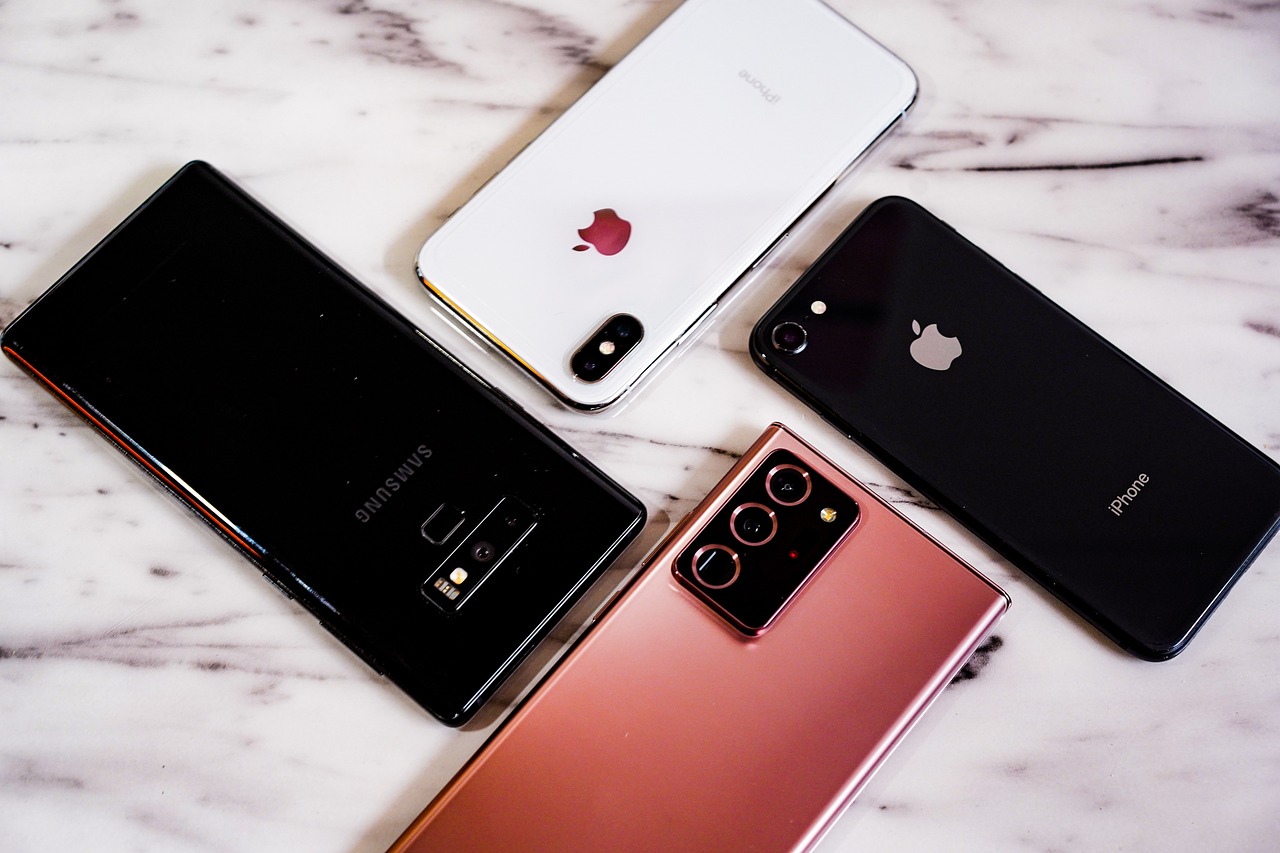
Smartphones have become a ubiquitous part of modern life. What started as a simple communication device has evolved into an essential tool for nearly every aspect of daily living, ranging from social interactions to entertainment, education, work, and even health. As of 2024, billions of people around the world rely on their smartphones to manage their personal and professional lives, making it one of the most influential inventions of the 21st century.
In this article, we’ll explore the history, technological advancements, impact, and future trends surrounding smartphones. Along the way, we will also answer some frequently asked questions (FAQs) to help you better understand this transformative technology.
The History of Smartphones
The journey of smartphones begins with the evolution of mobile phones, which themselves have undergone dramatic changes over the years.
1. The Birth of Mobile Phones
The first mobile phone, the Motorola DynaTAC 8000X, was released in 1983. This bulky, expensive device was capable of making voice calls, and it marked the beginning of mobile communication technology. Early mobile phones were relatively simple and limited in function, used mainly for voice calls, but the rise of cell networks made communication more accessible.
2. The Transition to Feature Phones
In the 1990s and early 2000s, mobile phones evolved into what we now refer to as "feature phones." These devices featured basic functionality such as texting, basic internet browsing, and the ability to play games. Brands like Nokia, Ericsson, and Motorola dominated the market with phones that were compact and user-friendly.
However, by the early 2000s, mobile phones were about to undergo a transformative change. In 2007, Apple launched the first iPhone, a revolutionary product that would change the course of mobile technology forever.
3. The Rise of the Smartphone
The iPhone was the first commercially successful device that combined a phone with a touch-based interface, internet connectivity, and a robust operating system. The introduction of the App Store allowed developers to create a vast ecosystem of apps, providing users with a wide array of functionalities beyond basic calls and messages. This marked the beginning of the smartphone era, where mobile devices became central to modern life.
Following Apple’s success, Android-powered smartphones from companies like Samsung, HTC, and Google emerged, and the smartphone market quickly became a competitive industry. The competition between Apple’s iOS and Google’s Android operating system fostered rapid advancements in hardware and software, leading to the highly sophisticated devices we use today.
4. Current Trends in Smartphone Technology
Smartphones have continued to evolve with improvements in hardware, software, and design. Devices now feature powerful processors, high-definition displays, and sophisticated cameras. Today’s smartphones often come with cutting-edge technologies such as 5G connectivity, augmented reality (AR), and artificial intelligence (AI).
How Smartphones Have Revolutionized Our Lives
Smartphones have fundamentally changed the way we interact with the world, providing us with convenience, access, and functionality. Let’s examine the key ways in which smartphones have impacted various aspects of our lives.
1. Communication and Social Interaction
One of the most significant ways smartphones have transformed our lives is in communication. While early mobile phones were used mostly for voice calls, modern smartphones allow us to communicate in various ways, including text messages, emails, social media, video calls, and instant messaging. Apps like WhatsApp, Facebook Messenger, and Snapchat have made it easier than ever to stay connected with friends, family, and colleagues across the globe.
Moreover, smartphones have revolutionized social interactions by enabling social media platforms such as Facebook, Instagram, and Twitter. These platforms allow individuals to stay connected, share their lives, and engage with others on a global scale, creating virtual communities that transcend geographical boundaries.
2. Entertainment and Leisure
Smartphones have significantly expanded the ways in which we access entertainment. With apps like Netflix, YouTube, and Spotify, users can now stream movies, TV shows, music, and podcasts directly from their smartphones. The rise of mobile gaming has also made smartphones an essential platform for gaming, with popular titles like "Fortnite," "Candy Crush," and "PUBG" offering hours of entertainment.
Additionally, smartphones have become portable tools for reading, with apps like Kindle and Apple Books offering access to thousands of books, magazines, and newspapers. The integration of high-quality displays and sound has further enhanced the entertainment experience.
3. Productivity and Work
Smartphones have redefined how we work and manage our daily tasks. With a multitude of productivity apps like Google Drive, Microsoft Office, and Evernote, smartphones enable users to create, edit, and share documents, spreadsheets, and presentations on the go. The rise of cloud storage has made it easier to access files from anywhere, eliminating the need for bulky laptops or physical storage devices.
For remote work, smartphones are indispensable. Video conferencing apps like Zoom, Microsoft Teams, and Google Meet allow professionals to stay connected with colleagues and clients from anywhere, facilitating the shift toward a more mobile workforce. Similarly, project management tools like Trello and Slack make it easier to collaborate and track tasks in real time.
4. Health and Wellness
In recent years, smartphones have increasingly become tools for health and wellness management. Apps such as MyFitnessPal, Fitbit, and Strava track physical activity, monitor sleep patterns, and offer personalized fitness advice. The integration of health sensors into smartphones, such as heart rate monitors and GPS tracking, has helped users better understand and improve their health.
Moreover, the advent of telemedicine has made healthcare more accessible. Many healthcare providers now offer virtual consultations, allowing patients to connect with doctors directly from their smartphones, reducing the need for in-person visits.
5. Navigation and Travel
Smartphones have revolutionized travel and navigation. GPS and mapping apps like Google Maps and Apple Maps provide real-time directions, traffic updates, and local business information. Whether driving, walking, or using public transportation, smartphones make it easy to navigate unfamiliar areas.
Additionally, smartphones have simplified travel planning, from booking flights and hotels to checking in for flights and accessing boarding passes. Apps like TripAdvisor and Yelp help users find restaurants, attractions, and accommodations based on real-time reviews and recommendations.
6. Financial Management and Shopping
Smartphones have transformed how we manage our finances and shop. Mobile banking apps allow users to monitor their accounts, transfer funds, and pay bills from their smartphones. Payment apps like PayPal, Venmo, and Apple Pay have made digital transactions seamless, allowing users to make secure purchases with just a tap.
Online shopping has become incredibly convenient, with retailers like Amazon, eBay, and Etsy offering mobile-friendly apps. Shopping on smartphones allows users to browse products, compare prices, and make purchases from anywhere at any time.
The Future of Smartphones
As technology continues to advance, smartphones are expected to evolve in even more innovative ways. Here are some emerging trends that may shape the future of smartphones:
1. Foldable and Flexible Screens
Foldable smartphones, which feature flexible screens that can bend and fold, are expected to become more mainstream in the coming years. Devices like the Samsung Galaxy Z Fold and Huawei Mate X are early examples of this technology. As foldable screens become more durable and affordable, they could redefine how we interact with smartphones, offering larger screens while maintaining portability.
2. 5G Connectivity
5G technology is expected to revolutionize mobile networks, offering faster data speeds, lower latency, and more reliable connections. With 5G, smartphones will be able to handle more data-intensive tasks, such as augmented reality (AR), virtual reality (VR), and 4K video streaming, without compromising performance. This technology will also enhance the efficiency of mobile gaming, video calls, and smart home applications.
3. Artificial Intelligence and Machine Learning
Artificial intelligence (AI) and machine learning are set to become increasingly integrated into smartphones. These technologies enable smartphones to learn user preferences, improve performance, and offer personalized recommendations. AI-powered virtual assistants like Siri, Google Assistant, and Alexa will continue to improve, offering more accurate and sophisticated responses to user commands.
4. Augmented Reality (AR) and Virtual Reality (VR)
Smartphones are expected to become even more integrated with AR and VR technologies, offering immersive experiences for gaming, education, and entertainment. With AR apps like Pokémon GO already gaining popularity, future smartphones will leverage this technology for more applications, such as virtual shopping experiences, interior design, and enhanced navigation.
5. Improved Battery Life and Charging Technology
Battery life remains one of the most important concerns for smartphone users. In the future, smartphones are expected to feature improved battery technology, with longer-lasting batteries and faster charging speeds. Innovations like solar charging and wireless charging could also reduce reliance on traditional charging methods.
Frequently Asked Questions (FAQs) About Smartphones
1. What is the difference between a smartphone and a feature phone?
A smartphone is a mobile phone that offers a wide range of functions beyond calling and texting, including internet access, app downloads, multimedia capabilities, and more. Feature phones, on the other hand, are more basic and primarily designed for communication, with limited functionality.
2. How do smartphones impact productivity?
Smartphones have significantly improved productivity by providing users with tools for communication, document editing, scheduling, and task management. With productivity apps, users can work from anywhere, collaborate with colleagues, and stay organized.
3. Are smartphones harmful to health?
Excessive use of smartphones can lead to eye strain, poor posture, and disrupted sleep patterns. It's important to take regular breaks from screen time and maintain healthy habits such as proper posture and limiting use before bedtime.
4. How do smartphones affect social interactions?
Smartphones can improve social interactions by enabling easy communication through calls, texts, and social media. However, over-reliance on smartphones for communication can also lead to a decline in face-to-face interactions and social skills.
5. What are the best smartphones in 2024?
Some of the top smartphones in 2024 include the Apple iPhone 15, Samsung Galaxy S24, Google Pixel 9, and OnePlus 11. Each of these devices offers cutting-edge features, powerful performance, and high-quality cameras.
6. Can smartphones replace traditional cameras?
While smartphones have advanced cameras capable of high-quality photos and videos, traditional cameras (such as DSLRs) still offer superior image quality, manual control, and versatility for professional photographers. However, for everyday use, smartphones are often sufficient.
7. How do smartphones impact the environment?
The production, use, and disposal of smartphones have environmental impacts, including the use of raw materials, energy consumption, and electronic waste. Recycling programs and the use of more sustainable materials can help mitigate some of these issues.
8. What are some security risks associated with smartphones?
Smartphones are vulnerable to security threats such as hacking, data breaches, and malware. Users can protect their devices by using strong passwords, enabling two-factor authentication, and downloading apps only from trusted sources.
9. Are foldable smartphones worth the investment?
Foldable smartphones offer unique features like larger screens in a more portable form. While they are still relatively expensive, they offer exciting possibilities for multitasking, entertainment, and portability. Their value depends on individual preferences and needs.
10. How often should I upgrade my smartphone?
Upgrading your smartphone depends on factors such as the device's performance, battery life, and new features. Typically, upgrading every two to three years ensures that you are using a device with the latest technology and security updates.
In conclusion, smartphones have revolutionized how we communicate, work, and live our lives. They have become integral tools for managing nearly every aspect of daily life, from health and entertainment to business and education. As smartphone technology continues to evolve, we can expect even more exciting innovations that will further shape our future.


0 Comments