

The Rise and Impact of Online Shopping: A Comprehensive Guide
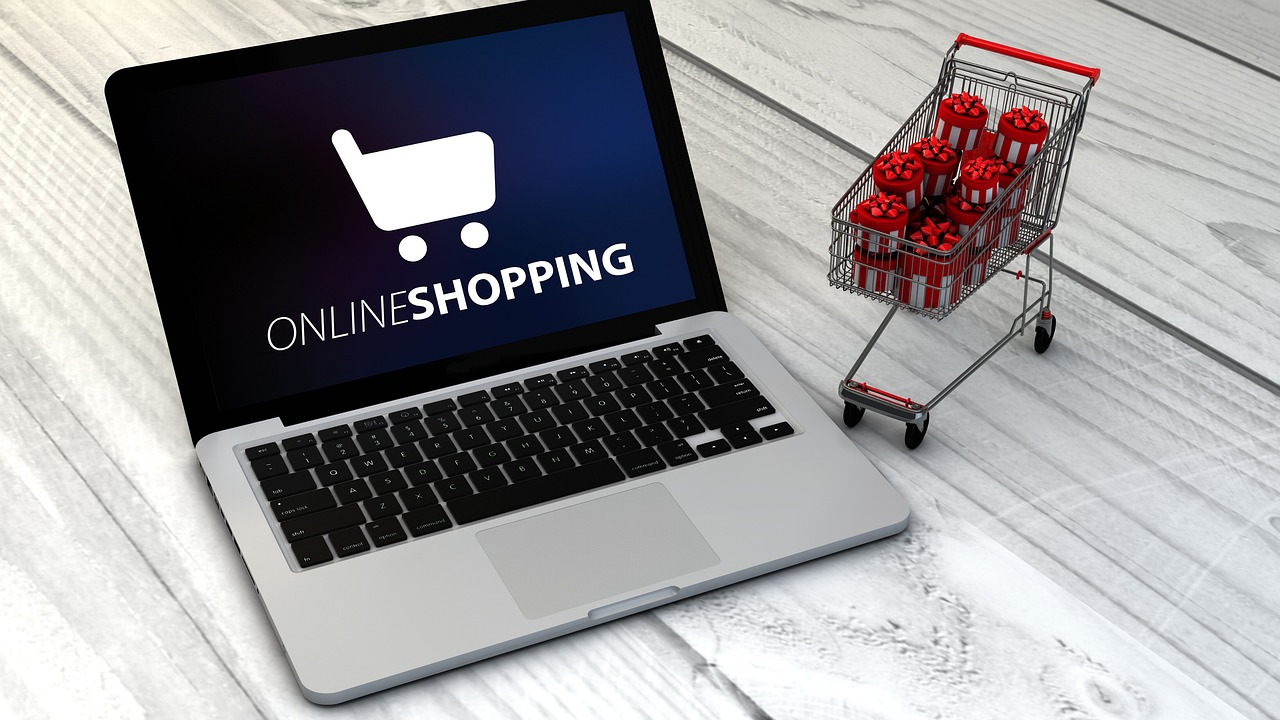
Online shopping has rapidly evolved from a novelty to a global phenomenon that has changed the way people purchase products and services. With the click of a button, shoppers can access millions of items from all over the world, making purchases from the comfort of their homes. This transformation in consumer behavior has brought about significant changes in retail, the economy, and even social dynamics. In this article, we will explore the various facets of online shopping—its growth, benefits, challenges, trends, and impact on different sectors. We will also answer common questions related to online shopping.
The Growth of Online Shopping
The journey of online shopping began in the 1990s, coinciding with the widespread adoption of the internet. Early online shopping platforms were primarily limited to books and electronics, but over time, the range of products available grew exponentially. Amazon, one of the earliest pioneers in online retail, launched in 1994, offering books to begin with and later expanding to include a vast array of products. In the early days, concerns about payment security, slow internet speeds, and limited delivery options held back the growth of online shopping.
However, the 2000s saw rapid advancements in technology, logistics, and payment systems, which helped boost consumer confidence in shopping online. The introduction of secure payment systems like PayPal, as well as improvements in internet speeds, enabled a more seamless shopping experience. Moreover, e-commerce giants like eBay, Alibaba, and Shopify expanded the marketplace, allowing sellers and buyers to connect across borders.
By the 2010s, online shopping became an essential part of daily life for millions of consumers. Fast delivery options like Amazon Prime, along with mobile shopping apps, brought online shopping to the fingertips of consumers worldwide. As of the 2020s, global e-commerce sales have reached new heights, making online shopping a multi-trillion-dollar industry. In fact, the COVID-19 pandemic further accelerated this trend, with more people relying on online platforms for their shopping needs as in-person retail stores faced restrictions.
Benefits of Online Shopping
Convenience and Accessibility
The most significant benefit of online shopping is the convenience it offers. Consumers can shop 24/7, without having to worry about store hours or long queues. Whether you're at home, at work, or on the go, you can browse products and make purchases from any location with an internet connection. Furthermore, online shopping allows people with disabilities or those in remote areas to access products that may not be available locally.Wider Selection of Products
Online stores are not limited by physical space, allowing them to offer a much broader selection of products than traditional brick-and-mortar stores. Shoppers can access everything from niche products to global brands, often with a few clicks. Additionally, many e-commerce platforms provide personalized recommendations based on previous purchases or browsing history, helping consumers discover products they might not have found otherwise.Price Comparison
Online shopping makes it easier for consumers to compare prices from different retailers quickly. Price comparison tools and apps allow shoppers to find the best deals and make informed purchasing decisions. This is particularly advantageous when making significant purchases like electronics or appliances, where price disparities between different sellers can be significant.Reviews and Ratings
When shopping online, consumers can read reviews and ratings from other customers who have purchased the same product. These reviews provide valuable insights into product quality, usability, and durability. This feature is often missing in physical stores, where consumers have to rely on salespeople or personal experience.Cost Savings
Online shopping often results in cost savings. Online retailers frequently offer discounts, deals, and seasonal sales that might not be available in physical stores. Additionally, many e-commerce platforms offer free shipping or reduced shipping costs for bulk purchases, further lowering the total cost of a purchase.Home Delivery
One of the most appealing aspects of online shopping is the convenience of home delivery. Online retailers often offer multiple shipping options, from standard delivery to expedited services. Consumers can have their products delivered directly to their doorstep, saving time and effort, especially for bulky or heavy items.Environmental Impact
While the environmental impact of e-commerce is often debated, many consumers choose online shopping to reduce their carbon footprint. For example, rather than driving to multiple stores in search of a product, shoppers can buy from a single online retailer, potentially reducing the number of trips needed. Additionally, some companies have adopted eco-friendly packaging and sustainable shipping methods, which contribute to a greener shopping experience.
Challenges and Concerns in Online Shopping
Security and Privacy
One of the biggest concerns with online shopping is the security of personal and financial information. Although most reputable e-commerce platforms use encryption and secure payment gateways, there are still risks associated with online transactions, such as data breaches or fraud. Consumers must take precautions, such as using secure payment methods, shopping on trusted websites, and avoiding suspicious links or pop-up ads.Product Quality and Authenticity
While online shopping offers access to a vast array of products, there are concerns about product quality and authenticity. It can be difficult to assess the true quality of an item without seeing it in person, which sometimes leads to disappointment when the product does not meet expectations. Additionally, counterfeit products are sometimes sold on online platforms, which can result in customers receiving low-quality or unsafe goods.Delivery Issues and Delays
Shipping delays can be a significant frustration for online shoppers. While e-commerce giants like Amazon often offer fast delivery, smaller retailers may struggle to provide reliable shipping timelines. Additionally, the logistics of international shipping can lead to longer waiting times, higher shipping costs, and potential customs issues. In some cases, packages may be lost or damaged in transit.Return and Refund Policies
Returning items purchased online can sometimes be more complicated than returning products bought in a physical store. While many online retailers offer return policies, the process can be time-consuming, especially if the item needs to be shipped back. Additionally, some retailers charge restocking fees or do not cover the cost of return shipping, which can be a deterrent for shoppers.Impact on Physical Retail
The rapid growth of online shopping has contributed to the decline of brick-and-mortar stores. Many traditional retailers have faced challenges adapting to the digital age, leading to store closures and layoffs. This shift in consumer behavior has prompted businesses to rethink their strategies, with some focusing on omnichannel retailing, which combines online and in-store shopping experiences.Overconsumption and Impulse Buying
The ease of online shopping has led to concerns about overconsumption and impulsive purchases. The endless scroll of product recommendations, flashy advertisements, and one-click purchasing options can encourage consumers to buy things they do not need or cannot afford. Additionally, the instant gratification of receiving a package can make it harder for people to resist the temptation to shop, leading to financial strain in some cases.
Trends in Online Shopping
Mobile Shopping
Mobile shopping has become a major trend in recent years, thanks to the widespread use of smartphones. Consumers can now shop from anywhere at any time using mobile apps or responsive websites. Many retailers have optimized their platforms for mobile devices, providing a seamless shopping experience that allows consumers to browse, compare prices, and make purchases on the go.Social Commerce
Social media platforms like Instagram, Facebook, and Pinterest have incorporated shopping features that allow users to purchase products directly through the app. This trend, known as social commerce, blends the social aspect of these platforms with the convenience of online shopping, enabling users to discover and purchase products without leaving the app.Personalization
Personalization is becoming increasingly important in online shopping. E-commerce platforms use data-driven algorithms to recommend products based on browsing history, previous purchases, and user preferences. This creates a tailored shopping experience, making it easier for consumers to find products that match their tastes and needs.Sustainable and Ethical Shopping
Consumers are becoming more conscious of the environmental and ethical implications of their purchasing decisions. As a result, many online retailers are focusing on sustainability, offering eco-friendly products, using recyclable packaging, and committing to fair trade practices. This trend is expected to continue as more people seek to align their shopping habits with their values.Voice Shopping
With the rise of smart speakers like Amazon Echo and Google Home, voice shopping is gaining traction. Consumers can now use voice commands to search for products, add items to their cart, and complete purchases without having to touch a screen. This hands-free shopping experience is especially popular for consumers looking for convenience while multitasking.
10 FAQs About Online Shopping
Is online shopping safe?
Yes, online shopping is generally safe if you use trusted websites and secure payment methods. Look for "https" in the URL and read reviews of the retailer before making a purchase. Avoid shopping on suspicious or unfamiliar websites.How do I know if an online store is legitimate?
Check for secure payment options, read customer reviews, and verify the store's contact information and return policy. A reputable site will typically have a professional design, clear terms and conditions, and an active customer service team.How can I avoid impulse buying online?
Set a budget, make a shopping list, and avoid browsing when you are not actively looking to buy something. Many e-commerce platforms allow you to save items in a wishlist, so you can reflect on your choices before purchasing.Why do some online stores charge high shipping fees?
Shipping fees depend on factors like the retailer’s shipping policy, the distance the item needs to travel, the size and weight of the product, and whether it’s shipped internationally. Some stores offer free shipping for larger orders or memberships.Can I return items purchased online?
Most online stores offer return policies, but they vary by retailer. Be sure to check the return policy before making a purchase, especially for items like clothing or electronics. Some retailers offer free returns, while others may require you to pay return shipping.Why do online prices change so frequently?
Online prices can fluctuate due to factors like demand, inventory levels, and competitor pricing. Dynamic pricing algorithms allow retailers to adjust prices in real-time based on market conditions.Is it better to shop online or in-store?
It depends on your preferences. Online shopping offers convenience, a wider selection, and better prices, but shopping in-store allows you to see the product in person, try it on, and avoid shipping delays.What are the most popular items purchased online?
Electronics, clothing, books, and home goods are among the most commonly purchased items online. However, the popularity of products can vary by region, season, and consumer trends.How can I get the best deals online?
Look for discount codes, sign up for newsletters, and compare prices across different platforms. Shopping during sales events like Black Friday and Cyber Monday can also lead to significant savings.How does online shopping affect the environment?
While online shopping can reduce the need for multiple car trips to stores, the environmental impact varies depending on shipping practices and packaging. Choosing eco-friendly retailers and opting for combined shipping can help reduce the carbon footprint.
Conclusion
Online shopping has revolutionized the way we shop, making it easier and more convenient than ever before to access products and services from around the world. While it offers numerous benefits, such as greater convenience, a wider selection of products, and cost savings, it also presents challenges related to security, delivery issues, and the potential for overconsumption. As technology continues to evolve, online shopping will likely become even more personalized, sustainable, and integrated into our daily lives. By understanding both the advantages and challenges of online shopping, consumers can make more informed purchasing decisions and navigate the digital marketplace with confidence.


0 Comments